Advertisement

With the insolvency administrator’s damning report now public, Christoph Gröner is fighting back - legally, reputationally, and financially. As multiple project companies of his Gröner Gruppe fall into administration, a fierce contest over facts, figures and reputations is now underway.
Gröner, once one of Germany’s most prominent and media-savvy property developers, is now engaged in the legal and reputational fight of his life. His sprawling network of real estate firms, known collectively as the Gröner Group, is facing insolvency proceedings on multiple fronts, with creditors, courts and former political allies watching closely. When REFIRE met Gröner in person at MIPIM in Cannes earlier this year, he struck a tone that was as defiant as it was composed. Despite the gathering storm and the very visible cracks in his business empire, his demeanour was measured—and unmistakably combative.
But it's not looking good. Gröner’s companies have filed for insolvency in both Karlsruhe and Leipzig. His critics speak of mismanagement and delayed filings. He speaks of hostile financiers, misunderstood restructurings, and a campaign to discredit him. “We will continue,” he told reporters recently, “but we will do it in a new financial environment.”
The formal insolvency of Gröner Group GmbH was opened by the Leipzig District Court in May 2025. According to filings, total liabilities exceeded €433 million. The application had been triggered by a claim of over €60 million from the Emerald Fund, a major creditor. But the real damage, it appears, came long before the court proceedings.
The group’s real estate empire, once lauded for its scale and ambition, including by ourselves at REFIRE, began unravelling under the weight of expired loans, opaque structures, and faltering liquidity. In Karlsruhe alone, six project companies—including those linked to developments on Bannwaldallee, Fiduciastraße, Gablonzer Straße, and Rheinstraße—filed for insolvency due to an inability to refinance a syndicated loan. According to the provisional administrator, lawyer Holger Blümle, the objective is now to continue the projects in a "structured manner".
In Leipzig, too, several SPVs are in preliminary proceedings. One, Stratos CG II GmbH, does not even own assets but holds minority stakes in other entities. Meanwhile, construction on key developments such as the Greenville district in Karlsruhe—meant to house 3,000 residents—has largely ground to a halt. No building permits have been filed; no work has begun.
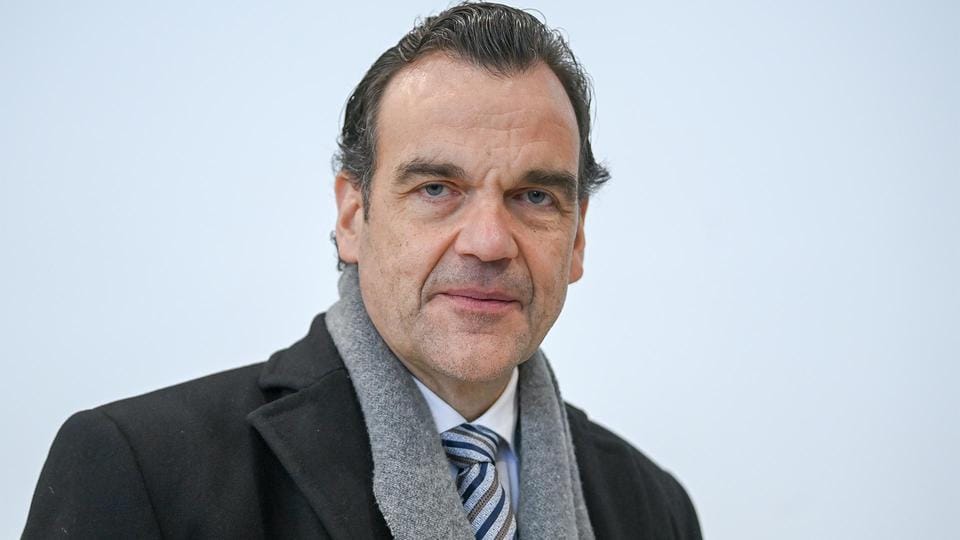
A report prepared by court-appointed insolvency administrator Philipp Hackländer of lawyers White & Case casts a harsh light on Gröner’s business practices. According to excerpts published by Business Insider and Manager Magazin, the administrator accuses Gröner of having delayed the insolvency filing despite clear signs of over-indebtedness and insolvency as early as 2024.
Even more incendiary are the allegations of asset transfers designed to shield value from creditors. Hackländer claims that projects were sold from Gröner Group GmbH to a newly created CG Group GmbH for a symbolic sum of one euro, with receivables totalling €643 million effectively vanishing from the books. The report further highlights €30 million in payments to the Gröner family office as potentially improper.
Hackländer writes of a "highly complex network for shifting large amounts of assets and current income," suggesting that liabilities were obscured through intra-group restructuring. He also raises the spectre of liability for two of Gröner’s former high-profile allies: CDU stalwarts Günther Oettinger and Ronald Pofalla, both of whom held leadership roles within the company.
Gröner and his company have issued a point-by-point rebuttal to the insolvency report, demanding corrections and accusing Hackländer of factual and legal errors. A formal statement issued on 25th July contests the core assertions of the administrator’s analysis.
Gröner argues that the €643 million in receivables had not vanished but were merely reclassified within intermediate holding companies. The “one-euro” transfers, he says, reflected the liabilities associated with the transferred projects. Payments from the family office were not withdrawals but repayments of €29.3 million and liability assumptions of a further €22.7 million. As for the insolvency timeline, the company argues that negotiations with lenders were ongoing until the very day the application was filed, and that payment demands were not delivered correctly under contractual terms.
Gröner told the publication Kontext that the administrator’s report is nothing less than character assassination: “What is presented as concealment was a fully legal restructuring, including substantial consideration.”
The administrator’s report names names: former EU Commissioner Günther Oettinger and ex-Chancellery chief Ronald Pofalla are both under scrutiny. Allegations suggest they approved or failed to prevent unsecured loans totalling more than €200 million. While neither has commented publicly, both remain active in successor companies—Oettinger as chairman of CG RE AG and Pofalla as its managing director.
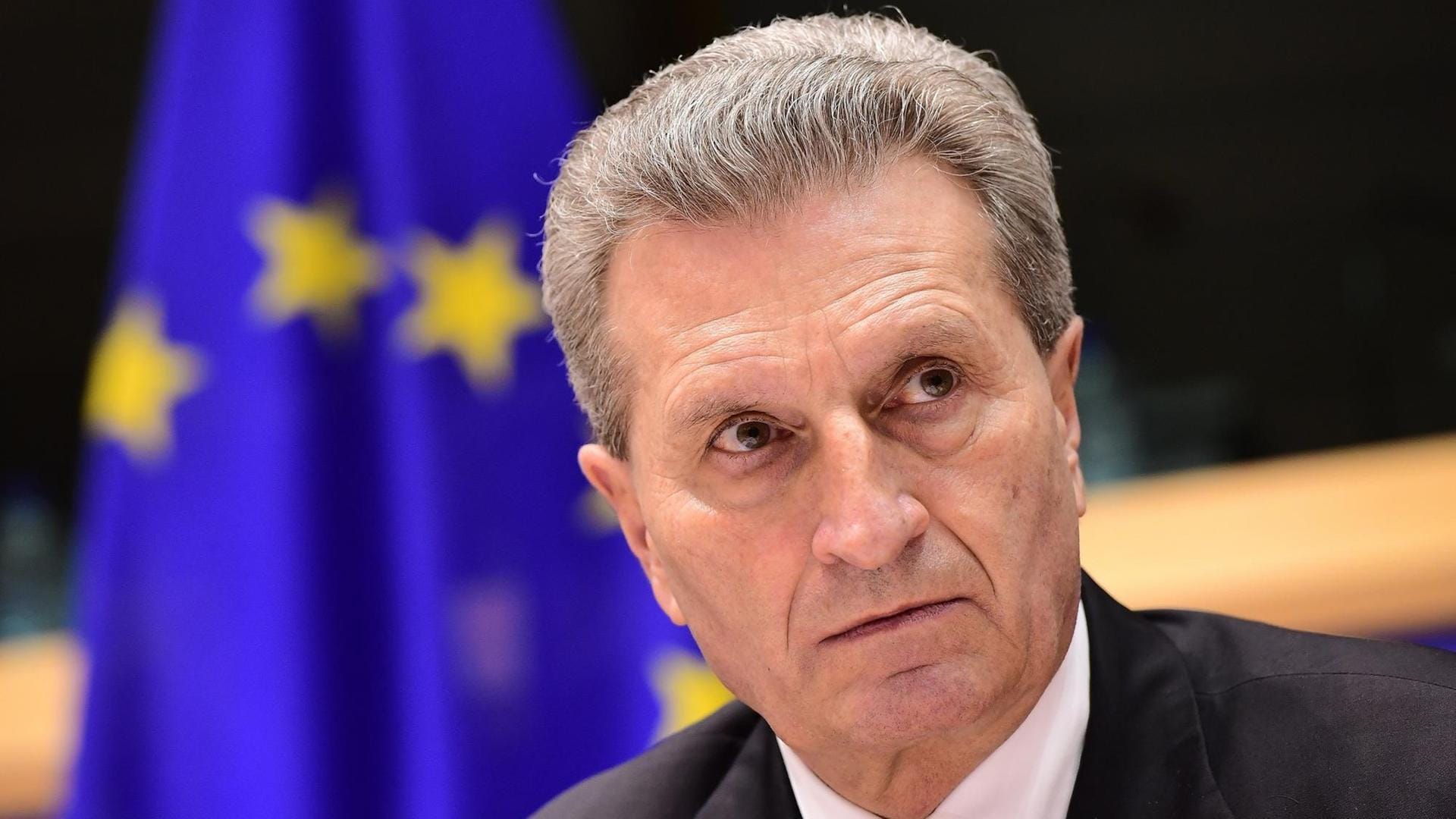
If proven, the accusations could trigger liability insurance claims and further complicate the restructuring. The affair is fast becoming a textbook case of blurred lines between business and politics in Germany’s real estate sector.
Beyond the courtroom drama lies a growing list of stakeholders affected by the collapse. Several Sparkassen and Volksbanken - notably Sparkasse Heidelberg and VR-Bank Ludwigsburg - have a combined €70 million in loans exposed to the Gröner network. Real estate collateral may partially mitigate these risks, but auctions loom.
Former employees of CG Elementum have also taken to online forums, complaining of unpaid wages, missing work tools, and broken promises. While Gröner asserts that CG Elementum now has no employees, these grievances, if substantiated, could signal deeper HR and payroll compliance issues.
Meanwhile, local officials in Karlsruhe grow increasingly sceptical about whether Gröner’s housing promises will ever materialise. Construction delays, missed deadlines, and silence from prospective investors have eroded confidence.
Since late July, Gröner has filed six more insolvency applications for property companies. He insists these are "orderly filings" designed to preserve asset value in a hostile financing climate. Negotiations with new lenders are ongoing, and he maintains that project work will resume in due course.
But with the creditors' meeting scheduled for mid-August and investigations by Leipzig prosecutors still open, the future of the Gröner Group, and its embattled founder, hangs in the balance.
The Gröner case has become a crucible for everything that can go wrong in German development finance: overleveraged structures, political enmeshment, governance opacity, and the sheer fragility of confidence. Insolvencies come and go, but this one has the feel of a turning point. However it ends, the fallout from the Gröner saga will echo beyond the courtroom - through credit committees, investor memos, and political backchannels. For the wider sector, it’s not just a story about debt and due diligence. It’s a reminder that personality still moves markets, and sometimes unravels them.
Get access to selected articles


