Advertisement

Germany's €34.3 billion real estate investment market is still largely overlooking cold storage, despite the sector offering €80-120/m²/year rents versus €55-65 for standard logistics in 2025. A new report from OC&C Strategy Consultants entitled "Unlocking Growth in the European Cold Storage Market" shows demand for outsourced cold storage projected to grow by 5-6% per year, fueled by rising frozen food consumption, producers outsourcing logistics, and regional supply chain shifts.
With the German cold chain market forecast in the OC&C report to grow from $16.80 billion to $27.60 billion by 2030, institutional players like Barings and Verdion are quietly building positions in a fragmented sector that most investors are still ignoring. Purpose-built institutional cold storage comprises under 2% of Germany's total logistics stock, while logistics properties captured 23% of last year's investment volume. For institutions seeking yield premiums in an oversupplied traditional logistics market, Germany's cold storage landscape offers both scarcity value and structural growth drivers.
What was once a fragmented, low-tech sector has become increasingly strategic and tech-enabled, yet 40% of European capacity still sits with independent operators, so obvious consolidation opportunities lie ahead.
Germany's cold chain infrastructure reflects a market caught between old and new approaches. Unlike the Netherlands or UK, where institutional capital has driven consolidation over the past decade, Germany's 133 cold storage facilities remain dominated by owner-occupiers, regional cooperatives, and vertically integrated food retailers like EDEKA and REWE.
This fragmentation creates an investment opportunity that institutional players are beginning to recognize. While Germany represents Europe's largest cold storage market by value, institutional penetration still lags behind peers significantly. The sector's operational complexity has deterred generalist real estate investors, leaving room for specialists to capture outsized returns through consolidation and operational improvements.
Food safety regulations and environmental standards are pushing Europe to the forefront of sustainable cold chain solutions. Eastern Europe and Iberia outpace mature markets like Germany, but this is creating modernization opportunities for investors willing to upgrade aging infrastructure. The large share of independent operators is continuing to fuel M&A activity as bigger companies choose to buy existing capacity, rather than building new facilities from scratch.
Market fundamentals support expansion across multiple sectors. Manufacturing companies led German logistics take-up with 36% of 2024 demand, followed by logistics firms at 29.6% and retail/wholesale at 25.8%. Considerable potential exists for capacity that food producers currently manage in-house—French fries, bakery goods, ice cream and meat represent promising outsourcing categories, where German producers have maintained vertical integration but increasingly recognize the advantages of specialized third-party operations.

Cold storage investment rests on scarcity and operational leverage that traditional logistics cannot match. Prime yields run 25-75 basis points above traditional logistics, translating to 4.4-5.2% in core German markets versus 4.8-5.5% for conventional warehouses. But yield spreads capture only part of the story that institutional investors are starting to discover.
Recent transactions demonstrate growing institutional appetite for quality assets. A good example is the acquisition by TH Real Estate and Palmira Capital Partners of the Papp cold storage center in Ginsheim-Gustavsburg—a 10,000 sqm facility serving the Rhine-Main catchment area of 5.5 million residents. This represents exactly the type of strategic, hard-to-replicate asset that delivers the predictable cash flows institutional investors are looking for.
Verdion's strategy illustrates the sector's momentum among experienced logistics investors. This summer, the firm acquired a 32,000 sqm site in Rastatt for its VELF 2 fund as part of a country-wide acquisition program targeting cold storage opportunities. "With a third of VELF 2 equity now allocated and further capital to deploy, we have more sites under exclusivity and a growing pipeline," said investment director Oliver Kemper.
Barings provides another validation point for the sector's institutional appeal. The asset manager added a German cold storage facility in Altlandsberg to its BREEVA II value-add fund, purchasing the asset from BEOS. "We have been active investors in temperature-controlled logistics across Europe for many years," said Gunther Deutsch, head of European transactions. "The asset class remains a focus because we see particularly strong potential for rental increases in the temperature-controlled space."
Capital intensity is creating natural supply constraints that confer advantages on existing players. Unlike conventional logistics where developers can pivot between sectors based on demand, cold storage requires committed equity and operational expertise that many developers lack. Construction costs run roughly double conventional logistics due to specialized refrigeration, enhanced insulation, and regulatory compliance requirements. This supply discipline supports rental growth even during broader logistics market downturns.
Operating leverage amplifies returns through rental premiums and tenant stickiness that cold storage uniquely provides. Cold storage tenants face significant switching costs—moving frozen inventory requires specialized transport, regulatory approvals, and operational disruption that most tenants would prefer to avoid. Lease terms typically run 10-15 years with triple net structures that pass energy and maintenance costs to tenants, creating more predictable cash flows.
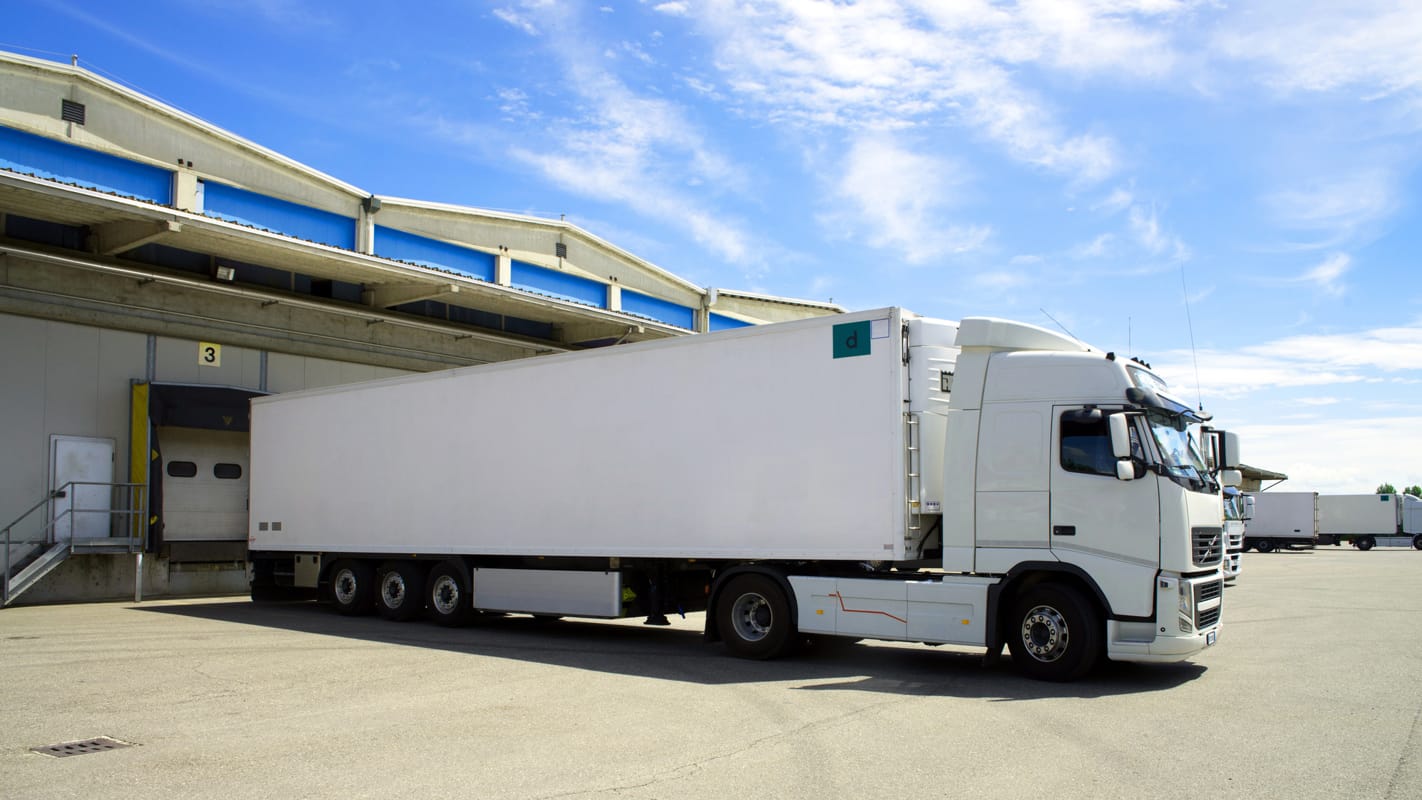
Automated High-Bay (AHB) warehouses are gaining traction in locations where high volume and standardization make them feasible. These facilities deliver efficiency gains and help address rising labor costs, but success depends on matching technology to specific operational requirements rather than assuming universal solutions work everywhere.
Growth, consolidation, rising tenant expectations, and automation are generating a critical investment moment for institutional players. Cold storage users now expect more than basic storage—real-time visibility, ESG transparency, and tailored services have become standard requirements that operators must meet. Operators who are offering only basic refrigerated space risk obsolescence as tenants become more sophisticated.
Much like sophisticated Building Management Systems becoming standard, cold storage facilities are evolving toward integrated platforms that provide comprehensive services, where success increasingly depends on operational agility rather than simple square footage. This technological evolution favors institutional investors who can deploy capital for system upgrades and automation that individual operators just cannot afford.
Location is driving cold storage value creation more than any other logistics subset, making site selection crucial for institutional success. Germany's position at the center of European food distribution makes it irreplaceable for companies serving multiple markets across the continent. Most facilities cluster near food distribution hubs—Hamburg, Bremen, the Ruhrgebiet, and central corridors near Frankfurt and Nuremberg—locations that benefit from established infrastructure and proximity to major population centers.
Frankfurt remains Germany's strongest logistics hub with stable €7.95/sqm rents, while Hamburg and Bremen provide essential import/export cold chain access for international trade flows. Munich commands the highest warehouse rents at €10.50/sqm despite 11.3% lower take-up, reflecting its strategic location and affluent consumer base that supports premium cold chain services.
Growing demand stems from multiple sources that are creating diversified revenue streams. Grocers pursuing omnichannel strategies are driving significant growth, alongside meal-kit firms and dark stores that require sophisticated cold chain capabilities. Temperature-sensitive logistics for vaccines, biologics, and lab samples provide stable demand, especially around Berlin, Munich, and North Rhine-Westphalia's expanding biotech clusters.
The pharmaceutical cold chain adds premium dimensions that traditional food storage cannot match. Germany's biotech clusters require ultra-low temperature storage for vaccines and biologics that command higher rents. mRNA vaccines requiring -70°C to -80°C storage represent a $35 billion annual market prone to thermal spoilage, with nearly 50% of global doses wasted due to temperature excursions. Specialized facilities serving this sector are commanding premium rents from creditworthy pharmaceutical tenants who have to prioritize reliability over cost.
Market leaders include Kuehne + Nagel, DHL Group, A.P. Moller-Maersk, Pfenning Logistics and Eurofresh Logistics—all creditworthy counterparties seeking modern, compliant facilities for their expanding operations. Third-party logistics consolidation is creating demand for larger, more sophisticated assets that can serve multiple clients efficiently. Kuehne + Nagel alone operates over 12 million sqm of warehouse space globally with 83,000 employees, demonstrating the scale advantages that favor institutional-grade facilities.
Short-haul "last-mile cold" logistics constitutes an emerging urban segment, though it remains underdeveloped compared to ambient delivery services. This creates opportunities for urban cold storage facilities serving growing demand for fresh and frozen food delivery that e-commerce expansion drives.
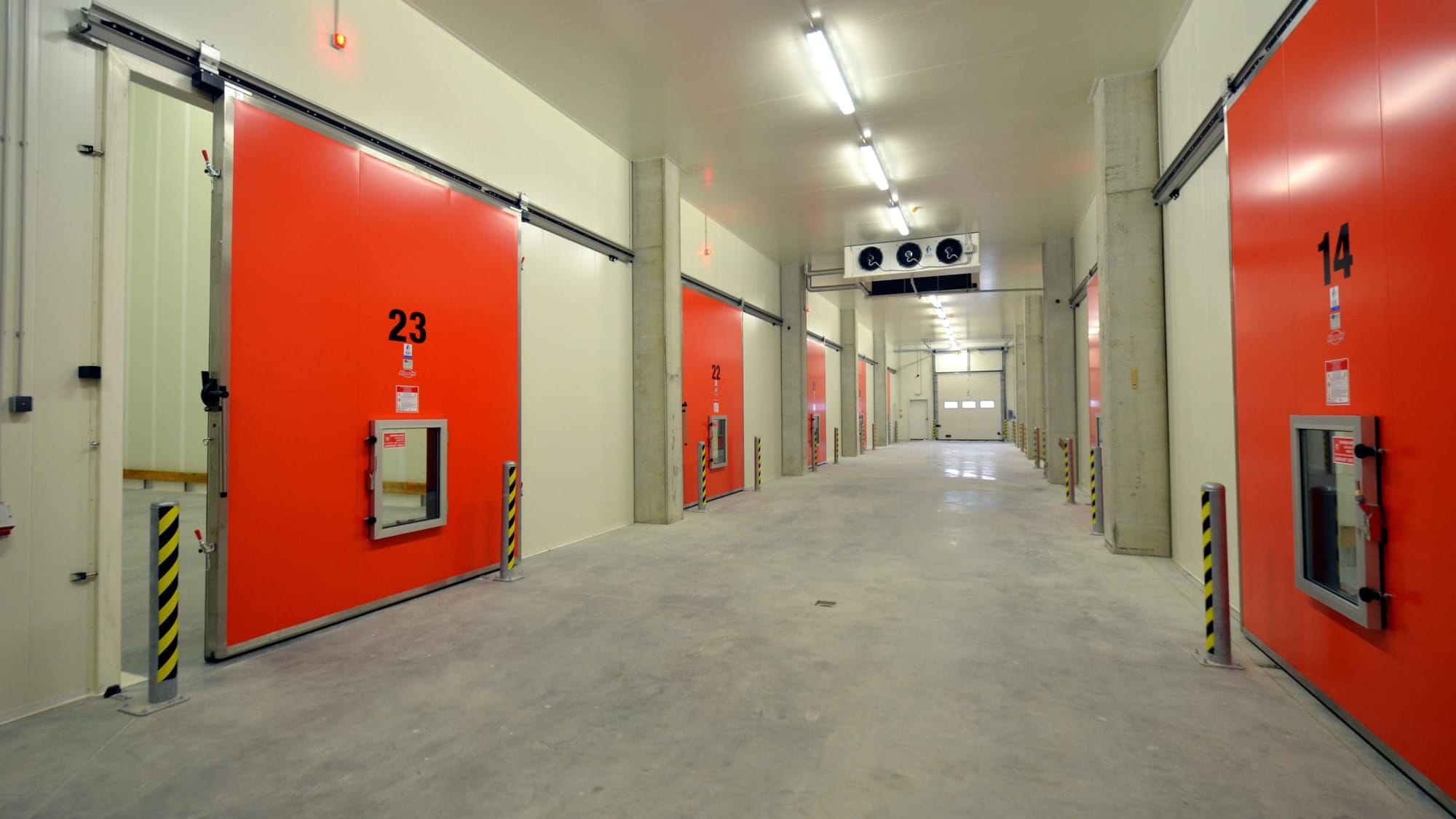
Aging infrastructure presents both challenges and opportunities that savvy institutional investors increasingly recognise. Around 40% of third-party cold storage warehouses are aged between 20-30 years, with another 30% exceeding 30 years. This aging stock creates increasing risks from new refrigerant regulations, outdated technologies, and high modernization costs—barriers that especially challenge smaller operators who lack capital resources.
Energy infrastructure is becoming a competitive moat that separates institutional-quality assets from the broader market. Cold storage facilities can consume 25 kWh per square foot annually, with refrigeration accounting for 80% of total energy use. Modern facilities achieve 10 kWh/m³/year specific energy consumption for 100,000m³ stores versus 30 kWh/m³/year for older facilities—a three-fold efficiency gap that creates both obsolescence risk for old assets and competitive advantage for modern ones.
Poor infrastructure, lack of standardization, higher logistics costs, and limited manufacturer control over logistics services are currently impeding market growth. However, increasing IT solutions, automated cold chain software, and adoption of multi-modal systems with RFID technologies are creating opportunities for technology-forward institutional investors to capture significant operational improvements that traditional operators cannot achieve.
Still, cold storage property isn't plug-and-play real estate. The operational complexity that has kept generalist investors at bay includes round-the-clock temperature monitoring, specialized maintenance crews, and energy systems that most property teams simply don't understand. Then there's the regulatory curveball—the EU's refrigerant phase-down means owners face hefty CO₂ system conversions, potentially costing millions for larger facilities. Energy bills present another headache, as these power-hungry buildings consuming 25 kWh per square foot are sitting ducks for Germany's volatile electricity prices. And while technology creates opportunities, it also threatens to strand facilities that can't keep pace with automation and modern logistics demands.
Also, the cold storage sector's heavy reliance on a handful of major logistics players creates some uncomfortable dependencies. Sure, Kuehne + Nagel and DHL are solid counterparties, but further industry consolidation could flip the negotiating table. When a tenant leaves a specialized cold storage facility, you can't exactly replace them with an e-commerce fulfillment operation—the replacement pool is limited. Germany's aging infrastructure adds another wrinkle, with 70% of facilities past their 20th birthday, meaning buyers often inherit expensive modernization bills alongside regulatory compliance deadlines. Perhaps most concerning, the sector's growth story depends on continued outsourcing trends that could reverse if economic pressure pushes food producers to bring operations back in-house.
International developments are highlighting both the opportunities and hurdles shaping the cold storage investment landscape. In the UK, operators manage an estimated 3.4 million pallet positions yet are experiencing chronic undersupply that COVID-19 has only intensified. Currently, only 5% of UK cold storage facilities use automation due to aging infrastructure and high implementation costs, but 91% of facilities under development are expected to be automated, showing clearly the direction the industry is headed.
Global conflicts are highlighting cold storage's strategic importance for supply chain resilience. Ukraine's cold storage facilities remain among the most supply-constrained yet strategically critical warehouse segments, with 21% of Kyiv's capacity destroyed including 17% of cold storage assets. This demonstrates how essential cold storage has become during supply chain disruptions, supporting investment cases for resilient, well-located facilities in stable markets like Germany.
Environmental regulations are also accelerating capital investment needs across Germany's aging cold storage stock, again creating both challenges and opportunities for institutional investors. The phase-down of HFC refrigerants under EU Regulation 2024/573 is forcing facility upgrades industry-wide. Natural refrigerants like CO₂ and ammonia require different system designs, higher capital investment, and specialized maintenance expertise that many smaller operators struggle to provide.
The regulation introduces "self-contained refrigeration systems" with Global Warming Potential limits below 150 from 2025, effectively mandating CO₂ systems for most new cold storage applications. Smart institutional investors view regulatory compliance as a competitive advantage rather than a burden - facilities that proactively adopt CO₂ refrigeration and achieve BREEAM certification are commanding premium rents from tenants facing their own sustainability mandates.
Rising German electricity prices from 2022-2023, combined with clean energy mandates, have also made energy-efficient cold storage essential for competitive operations. Solar installations, battery storage, and smart control systems can reduce operating costs by 35% while improving ESG credentials—improvements that justify rental premiums and extend asset useful life.
Cold storage represents a compelling institutional opportunity for German real estate investors willing to accept operational complexity in exchange for yield premiums, defensive cash flows, and structural growth drivers. The sector's fragmentation, regulatory tailwinds, and supply constraints are now creating favorable conditions for institutional capital deployment.
Timing appears opportune for institutional entry. Germany's broader logistics market faces oversupply and yield compression, while cold storage maintains structural scarcity that will support rental growth. The regulatory transition is creating natural consolidation catalysts as smaller operators lack capital and expertise for system upgrades, opening opportunities for well-capitalized institutional players.
International validation from UK undersupply patterns and cold storage's strategic importance during global conflicts also supports the defensive investment case. The sector's complexity has deterred generalist investors, but those same complexities are now creating sustainable competitive advantages for committed institutional players who develop the necessary operational expertise.
Successful execution requires focus on strategically located assets serving major population centres or logistics hubs, prioritizing modern facilities with efficient refrigeration systems, and targeting creditworthy tenants with long-term lease commitments. Investors navigating regulatory compliance while building operational expertise should find cold storage a profitable addition to German logistics portfolios, providing yield and diversification benefits.
For institutions seeking defensive characteristics with growth potential, German cold storage offers what traditional logistics currently lacks: scarcity value, barriers to entry, and structural demand growth supporting both rental increases and asset appreciation. The opportunity is becoming clear for investors prepared to embrace the sector's unique operational requirements.
Get access to selected articles


